
Reputation system
The fair representation of your credibility
Apex Fusion Reputation System is a Web3 system designed to measure and reward real, verifiable user contributions. Reputation is not based on activity alone, but on validated actions over time, recorded on-chain and tied to a user’s wallet identity.
Key difference in approach: the roles were not predefined. They were derived from user research and real user behavior. Within the first month: 2,000+ wallets, KPI exceeded, stable early engagement.
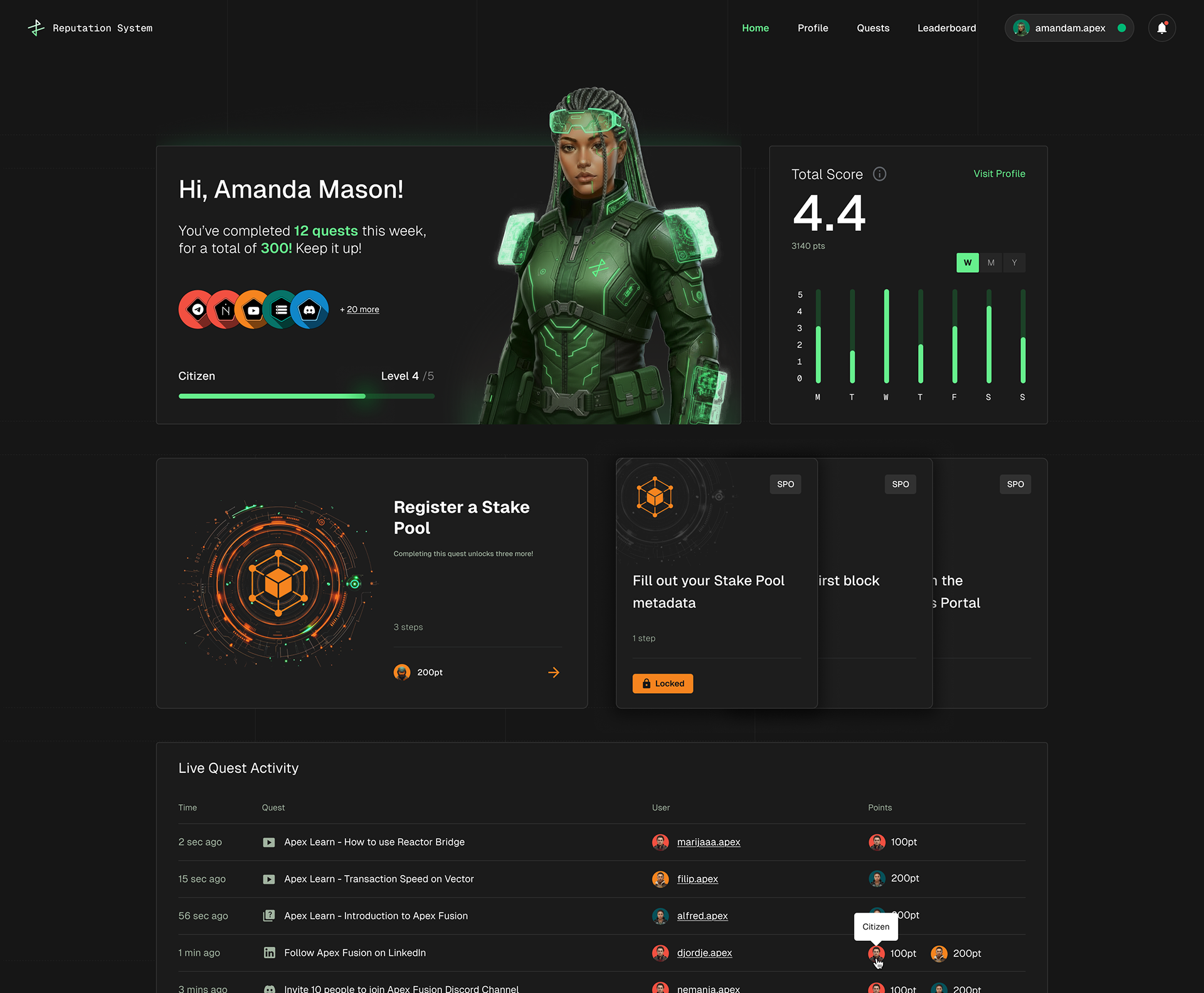
The system is structured around four roles: Citizen, Sentinel, Mason and Senator. Each role represents a different type of contribution within the ecosystem — from community participation to governance.
They begin their journey with a Decentralized ID (DID), linking verified external profiles like X, LinkedIn, GitHub and others to start establishing their reputation. They build their credibility by participating in quests, completing tasks, and engaging in network activities, social interactions, and contributions. As they progress, their reputation is reflected in futuristic avatars that evolve with bionic and alien features, symbolizing their growth and efforts within the Apex Fusion ecosystem.
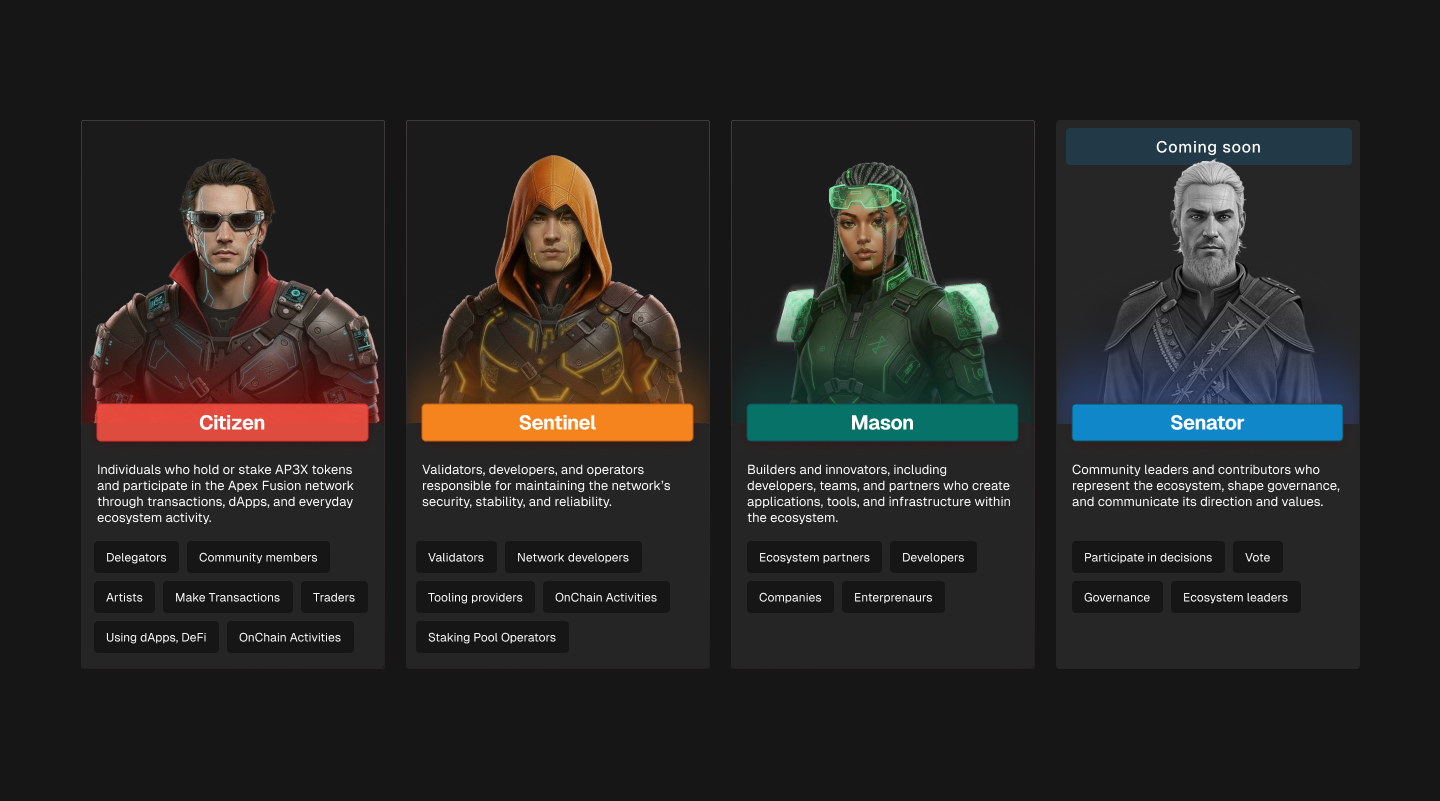
The Apex Fusion ecosystem is structured across four distinct roles.
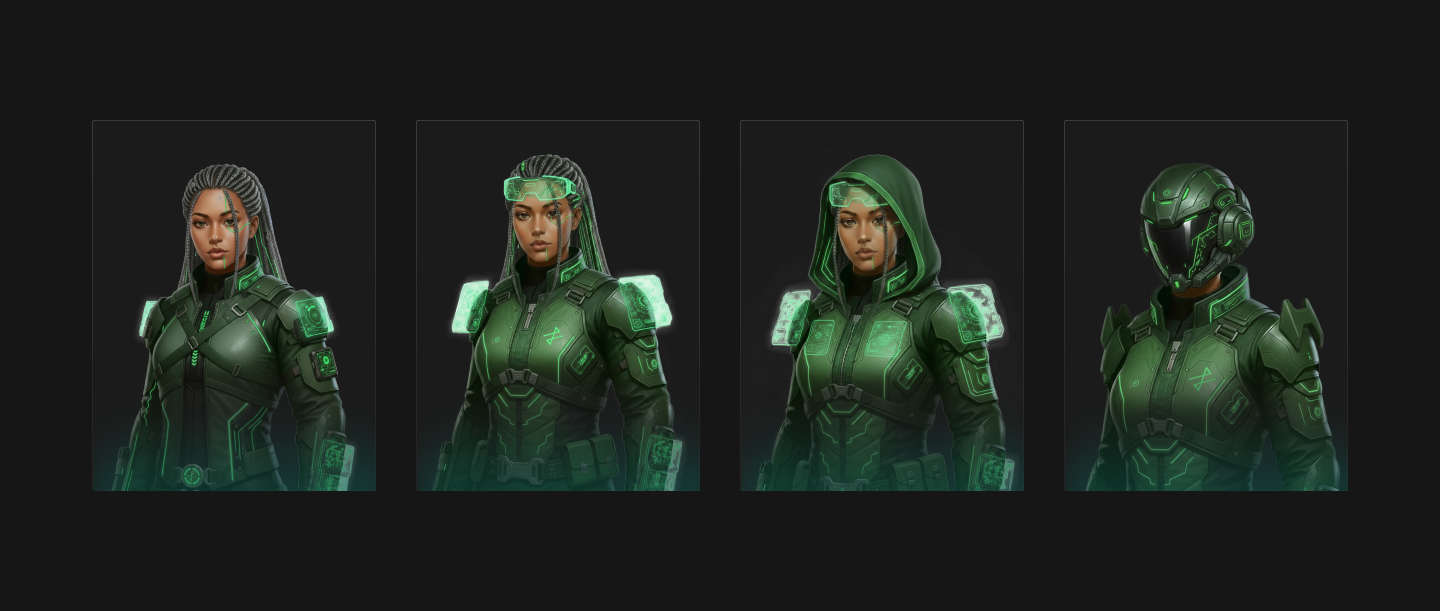
Participants can progress across roles as their contribution and trust increase.
Research Approach: Community as the primary research channel, a large and active Telegram community became the core research layer.
During development, we: monitored daily discussions and user questions, identified recurring problems and confusion, ran polls on current and upcoming features, validated ideas before implementation,This created a continuous feedback loop and ensured decisions were based on real user needs, not assumptions.
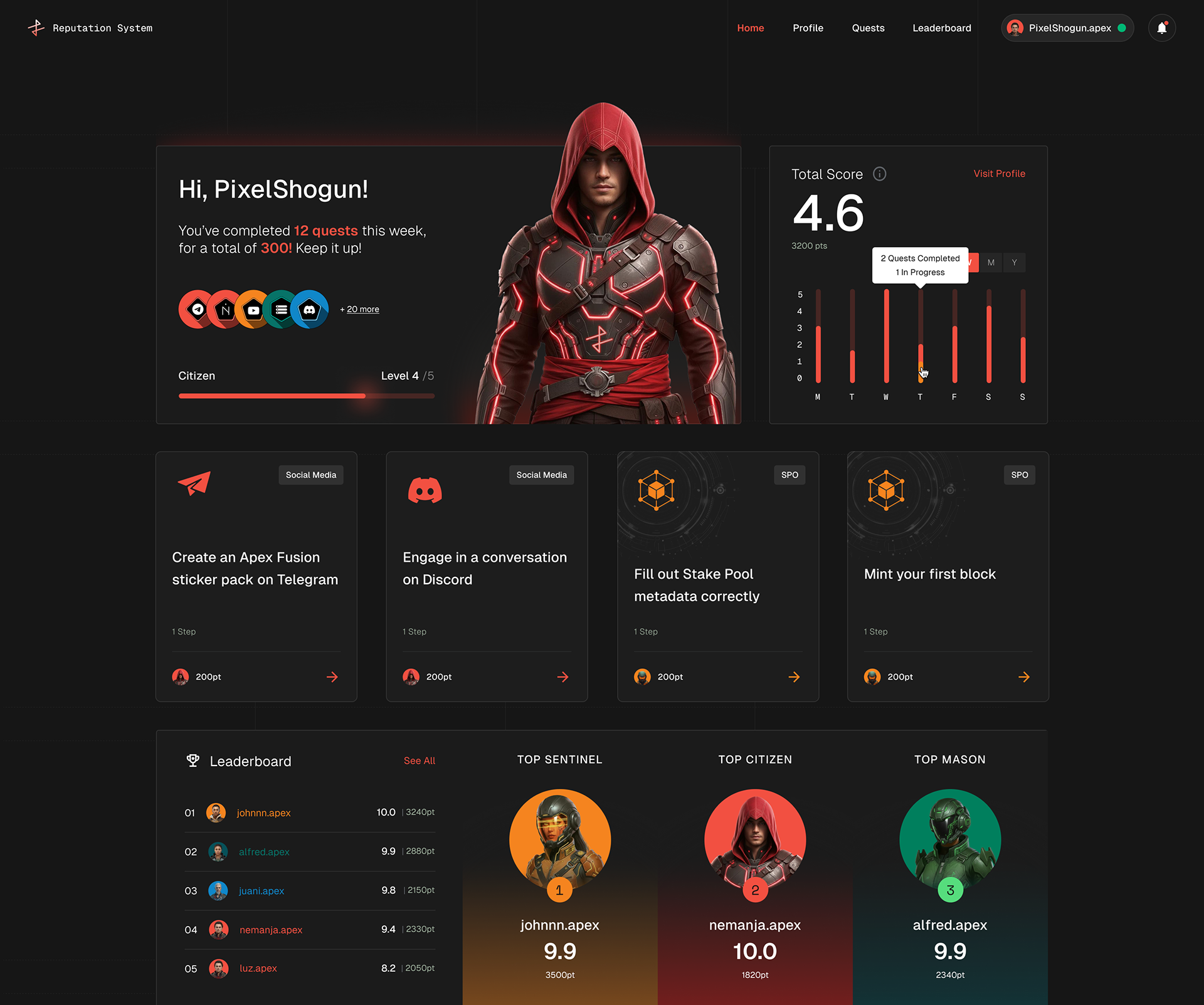
Community members, developers, organizers, and creators can showcase their impact through an objective, verifiable on-chain reputation that persists across decentralized networks.
We introduced quests as the core UX layer. A quest represents: a clearly defined action, a measurable contribution, a direct impact on reputation.
Each quest answers three questions: what should I do, why it matters, what I get.
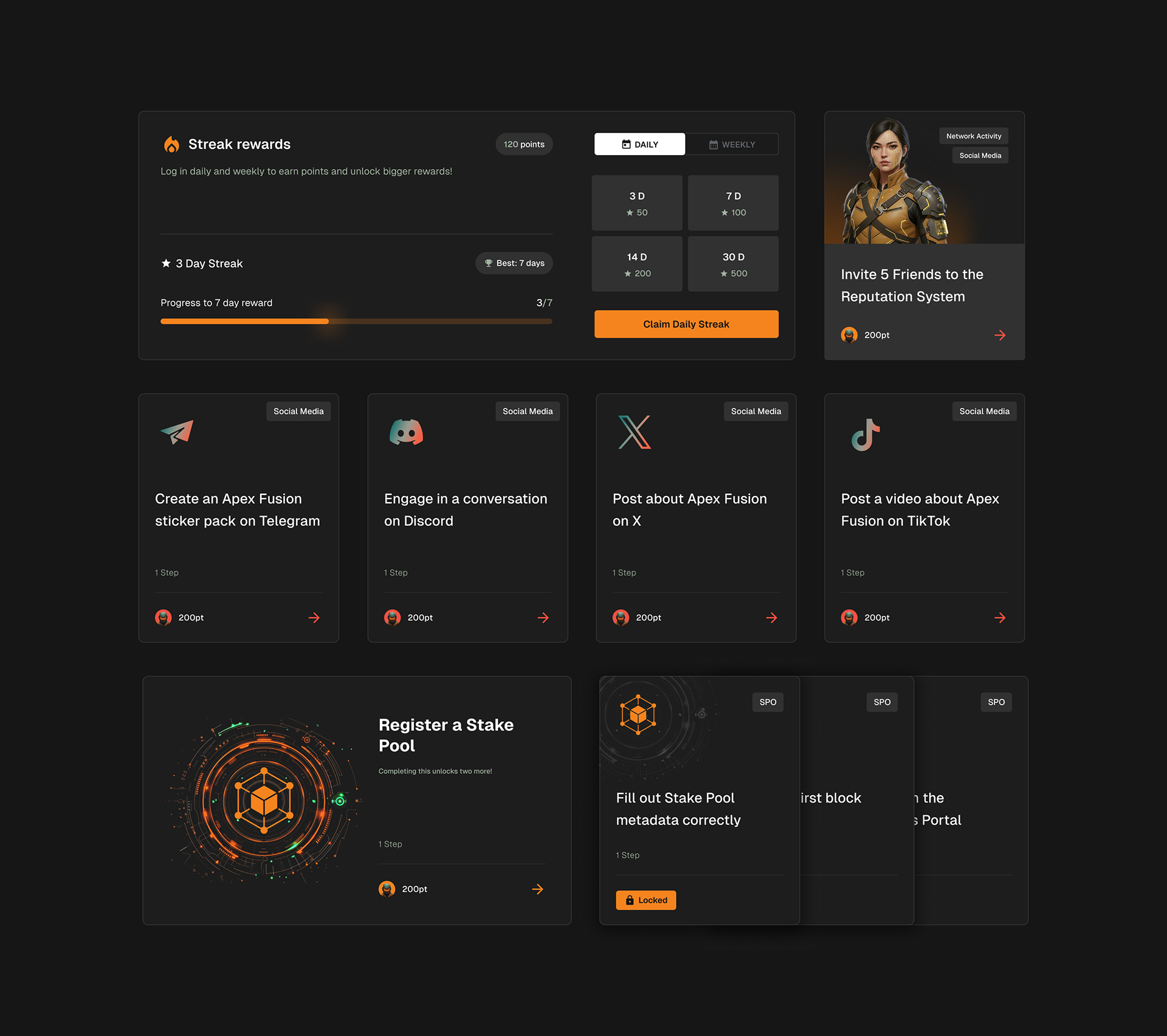
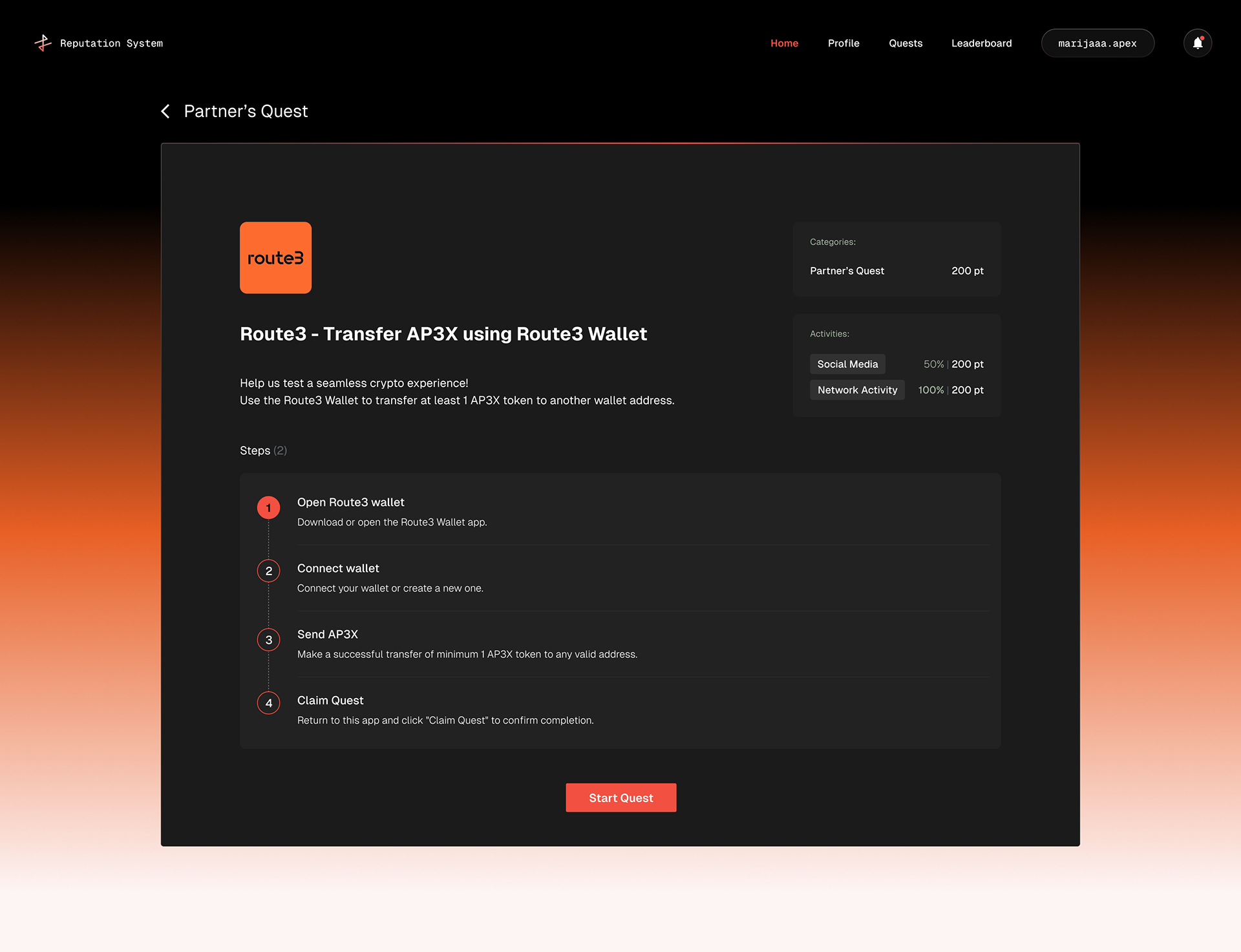
Deployment on Nexus mainnet, Apex Fusion’s EVM L2 network, marks an important step. It brings the system into a production environment designed for scale, interoperability, and long-term operation.
Future extensions are planned carefully. Team-based reputation, time-limited events, third-party quests, and reputation-aware integrations are possible, all building on the same foundation without changing its core principles.